
Selective Cedar Management and Land Restoration Services in Western Nebraska
Oshkosh Cedar Co. Land Services
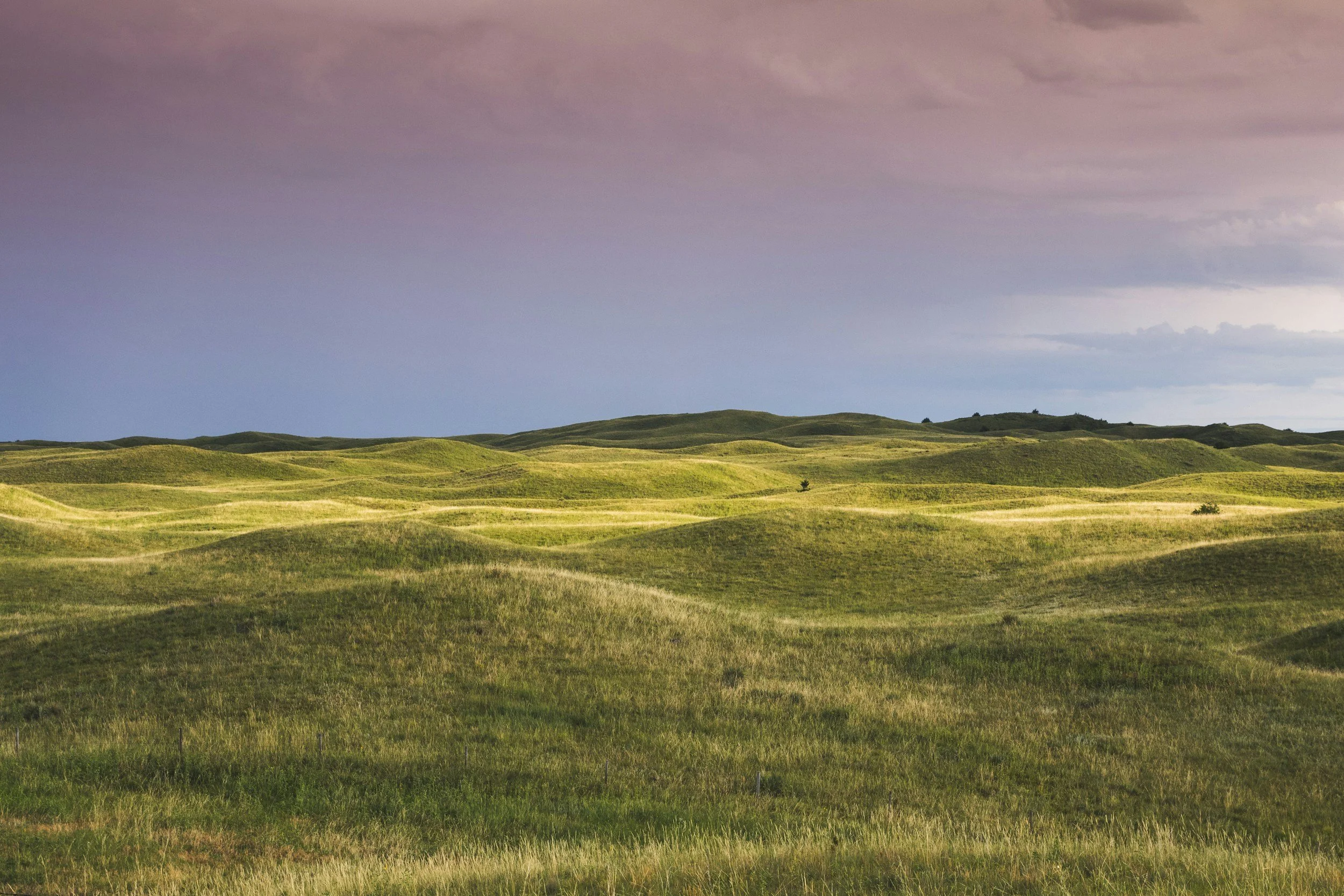
Land management in the Sandhills requires more than clearing. It requires understanding how the land works. At Oshkosh Cedar Co., our services are built around improving long-term land function by addressing invasive cedar with precision and intent.
Every decision we make in the field is guided by how water moves, how soil holds it, and how grass responds over time. The goal isn’t just to remove cedar — it’s to restore balance in a way that supports stronger, more productive ground for years to come.
Each property requires a different approach. Explore our full range of services below to see how we manage cedar, support land recovery, and leave ground in better condition than we found it.
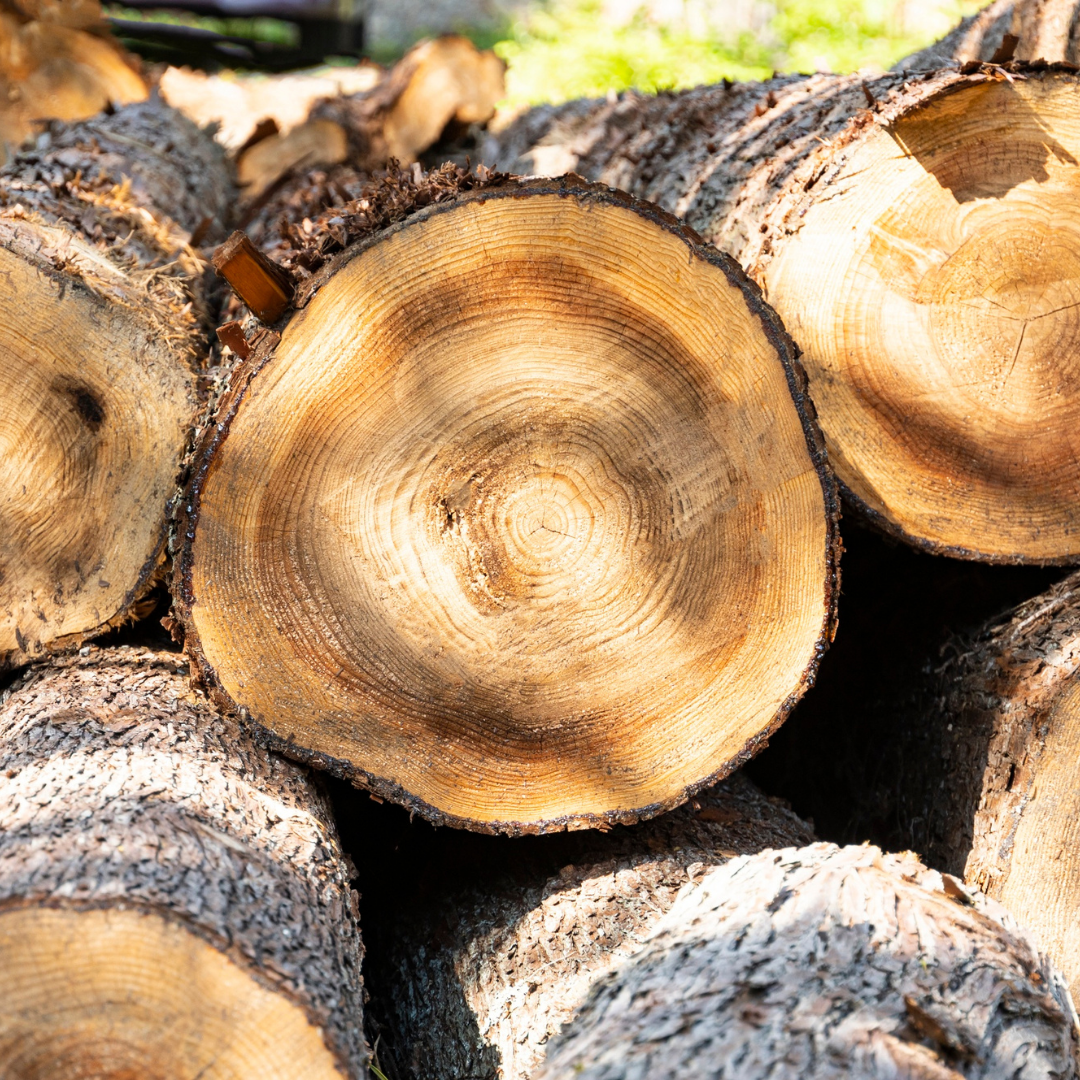
Selective cedar thinning is a targeted approach to managing invasive eastern red cedar without over-clearing the land. Rather than removing everything, we identify and remove the trees that are actively competing for water, suppressing native grass, and disrupting how the land functions.
This method allows the ground to recover naturally — improving moisture retention, supporting healthy grass growth, and reducing wildfire fuel — while preserving the balance and character of the property.
Selective Cedar Thinning
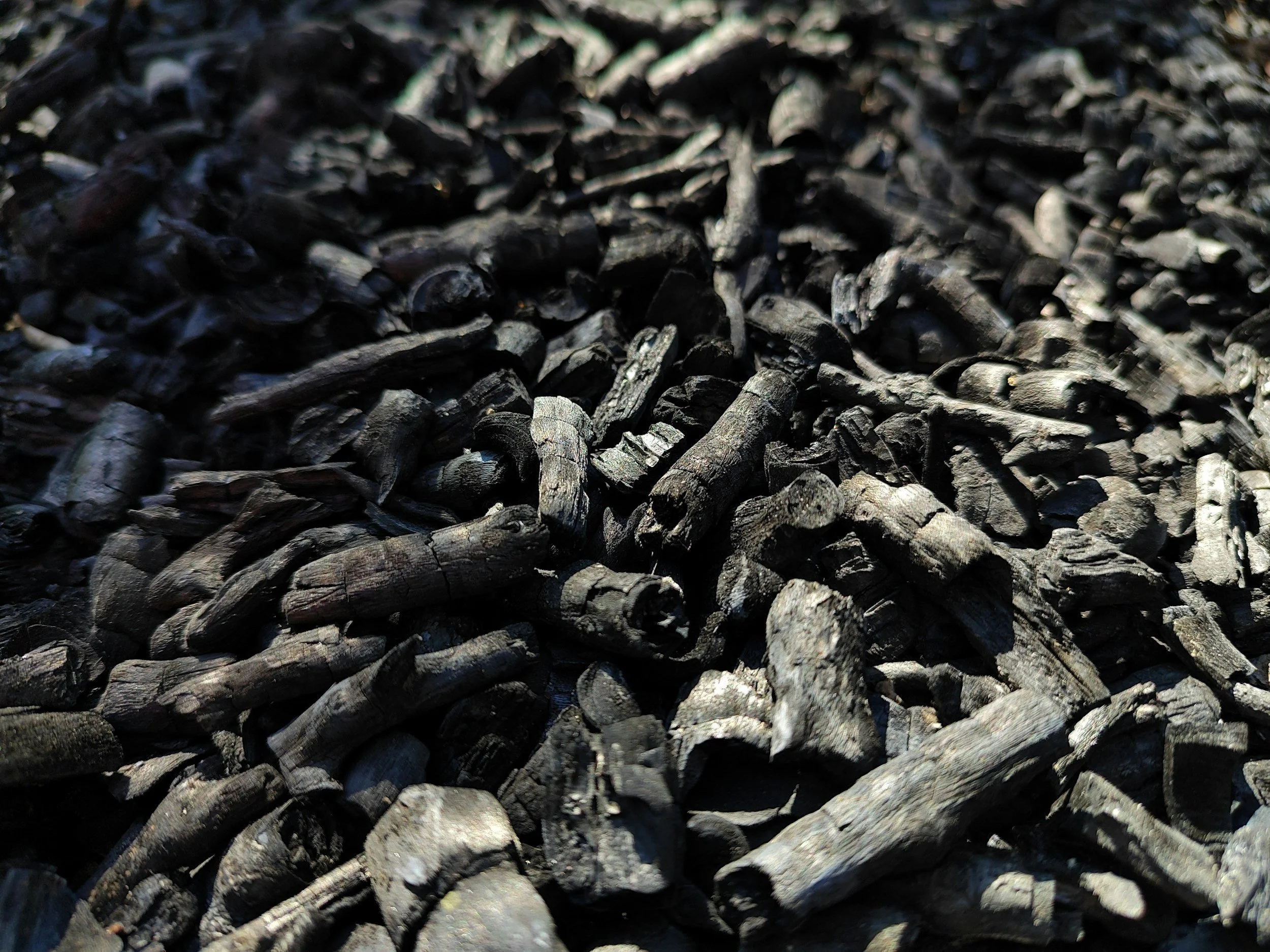
Lower-grade cedar is converted into high-quality charcoal and biochar, creating both a clean-burning fuel and a valuable soil amendment. This process allows us to make use of material that would otherwise be wasted while contributing to long-term land improvement.
Biochar, in particular, supports soil structure, helps retain moisture, and promotes healthier ground over time — extending the impact of our work beyond removal.
Charcoal & Biochar Products
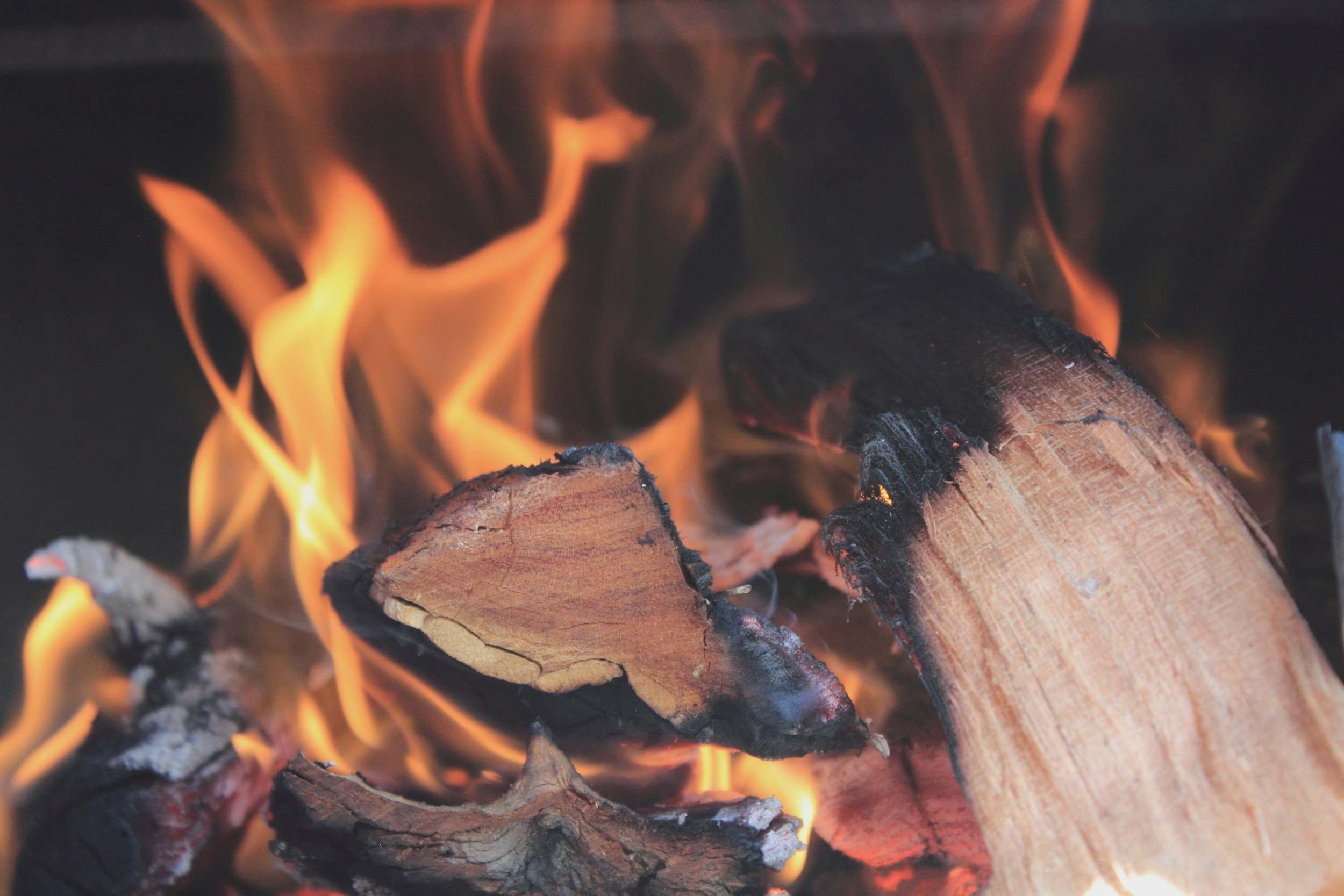
Cedar removed from your property is processed into clean-burning, aromatic firewood — keeping value local while reducing waste. Rather than leaving material behind or burning it off, we turn it into a practical resource that can be used and appreciated.
It’s a simple extension of our approach: every tree we remove has a purpose, and nothing is taken from the land without being put to use.
Regenerative Firewood
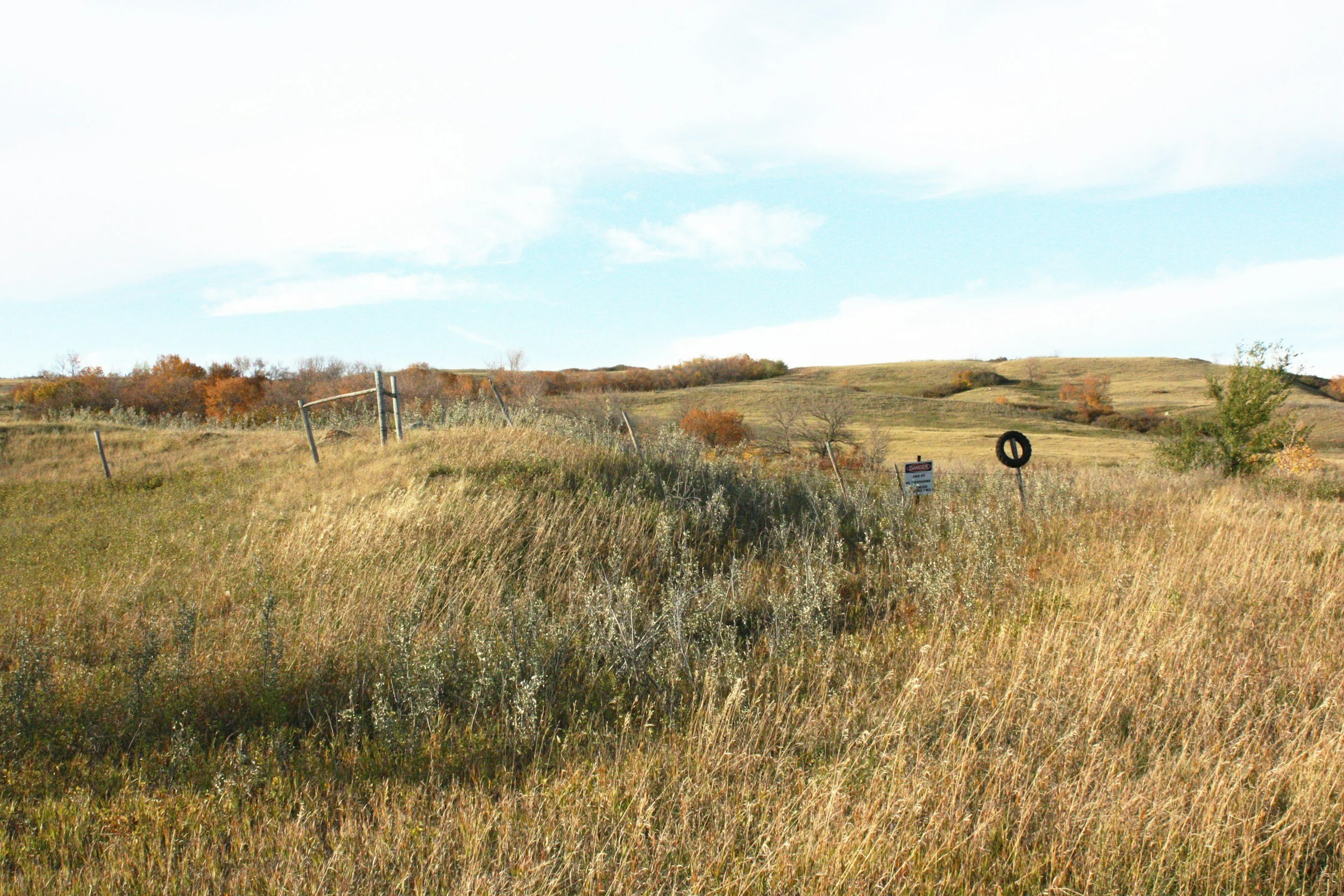
Organic byproducts from our work — mulch, ash, and biochar — can be returned to the land to support soil health and long-term pasture performance. Rather than removing material entirely, we look for opportunities to put it back where it can do the most good.
These additions help improve moisture retention, support microbial activity, and create conditions where grass can recover and thrive over time.
Soil & Pasture Amendment
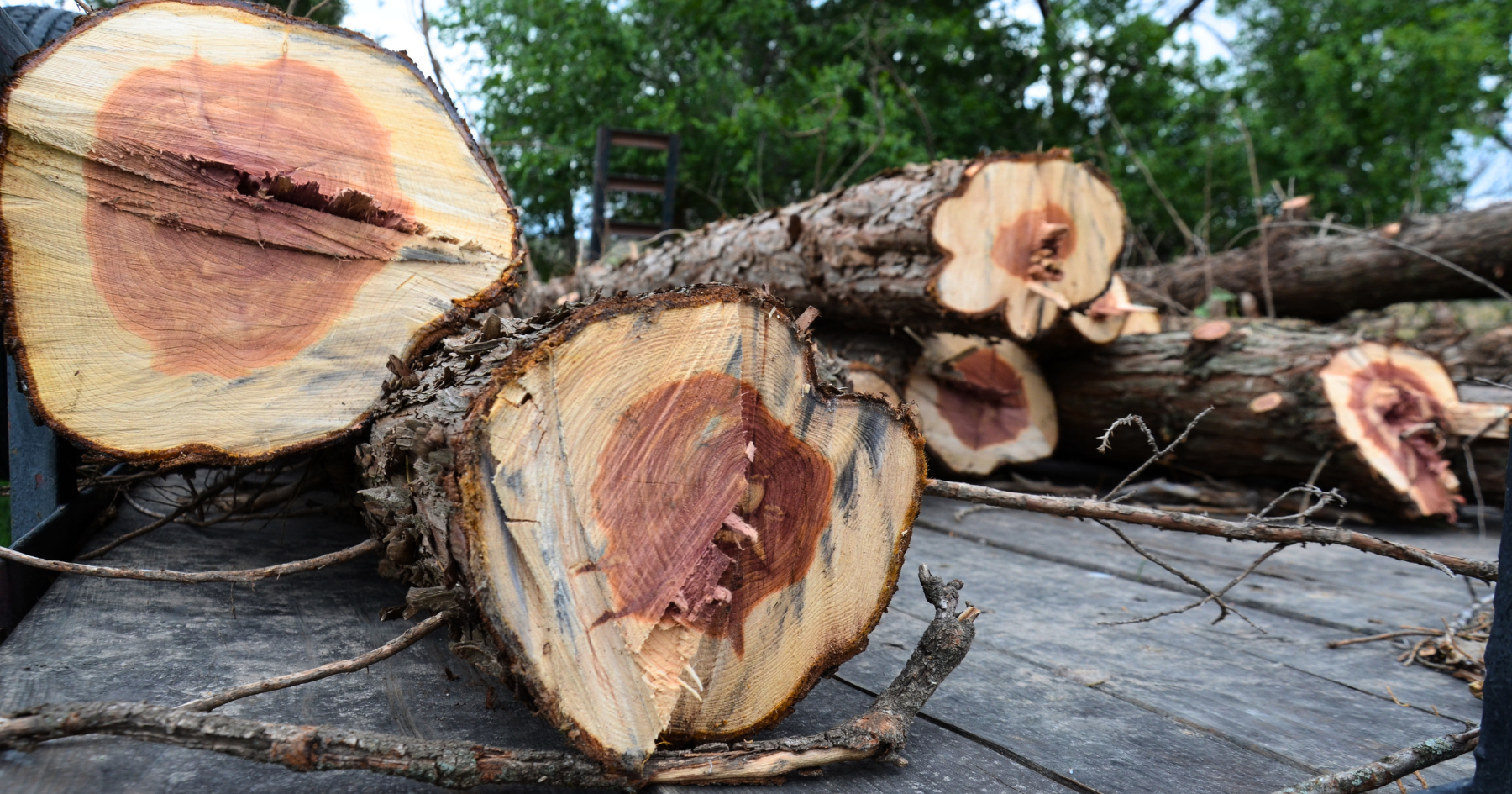
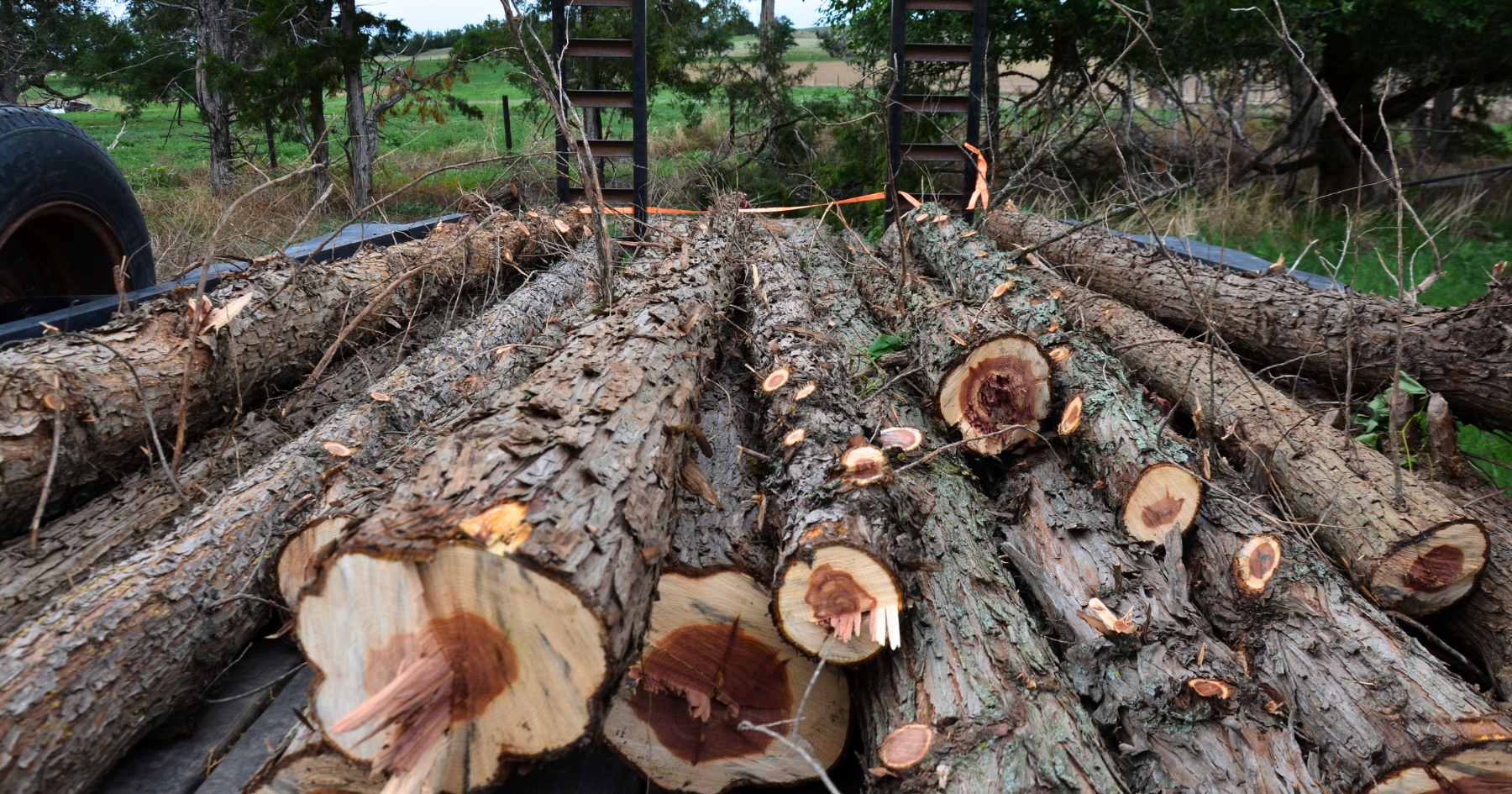
As we remove cedar, we identify and prepare the straightest, most usable pieces for fence posts and structural use. Cedar’s natural durability makes it well-suited for long-term use in ranch infrastructure.
This approach keeps material local, reduces waste, and turns what’s removed into something that continues to serve the land.
Durable Cedar Fence Posts
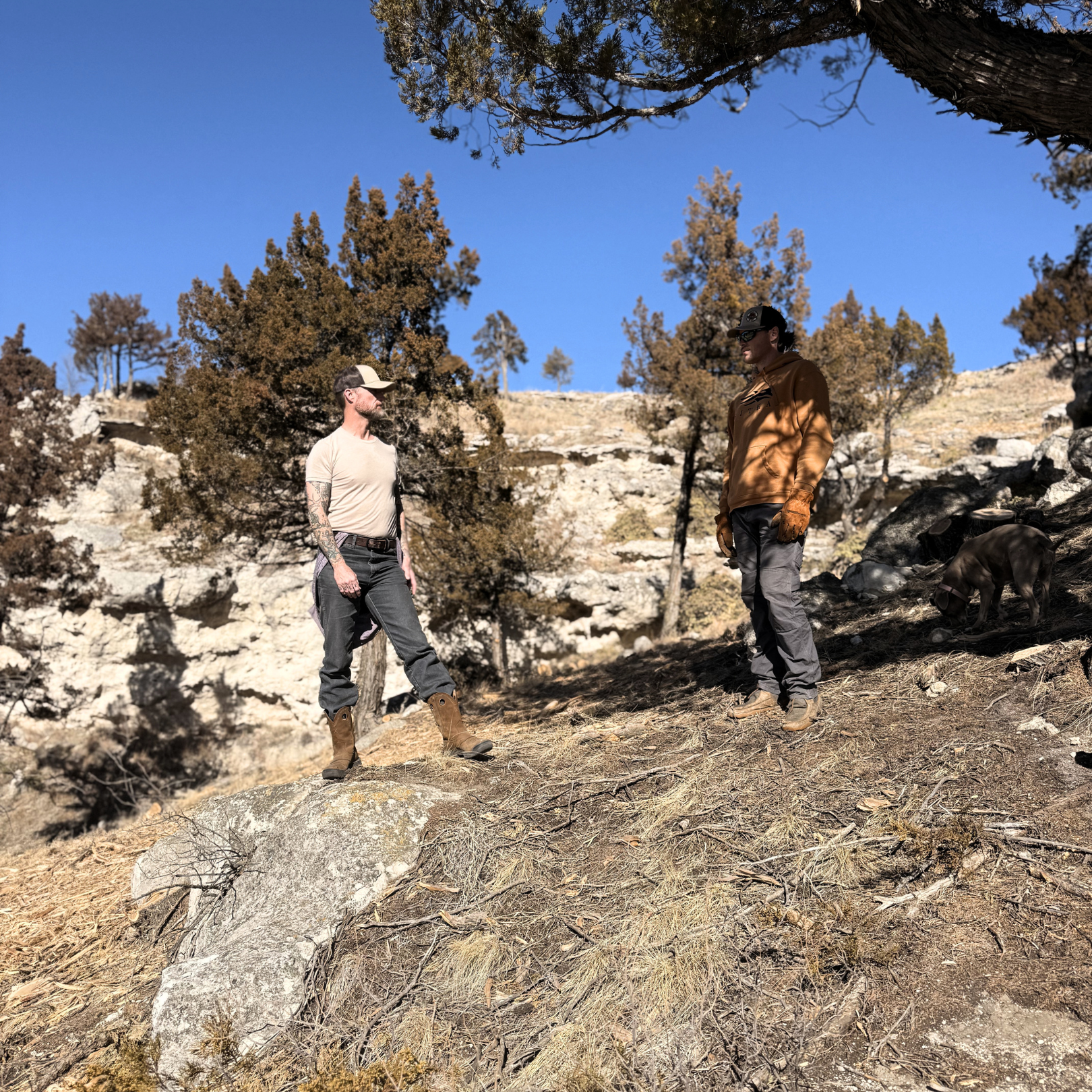
Guided Land Walks & Consultation
Every project starts with understanding the land. We walk your property with you to identify where cedar is having the greatest impact, explain what’s happening beneath the surface, and outline a practical path forward.
It’s a straightforward, informed process — built to give you clarity on what your land needs and confidence in how to move forward.
Our Process
Walk The Land
Understand slope, water movement, and cedar spread

Only remove trees which disrupt land balance
Selective Removal
Material Utilization
Every cedar tree we cut is processed with purpose and intent
Land Recovery
Support soil and healthy native pasture regeneration
What We Believe
Every cut we make has a purpose.
Eastern red cedar continues to spread across western Nebraska, reducing available water, suppressing native grasses, and increasing wildfire risk. Our work focuses on selective cedar thinning and land restoration practices that improve how your land performs - not just how it looks.
Stewardship Over Clearing
We remove only what the land can’t support and preserve what should remain.
Function Over Appearance
Our land-first approach means healthier soil, stronger grass, and better water retention.
Full Use of Every Tree
Every tree we remove is put to purpose. Nothing wasted, nothing left behind.