
Oshkosh Cedar Co.
Cedar Management & Land Restoration in the West Nebraska Sandhills
Oshkosh Cedar Co. works with ranches and landowners across Western Nebraska to manage invasive cedar — restoring water to the soil, strengthening native grass, and improving how the land performs over time.
Cut it right. Leave it better.

About Oshkosh Cedar Co.
This work isn’t just about trees.
Our mission is simple — to help restore balance where it’s been lost here in the Sandhills, one thoughtful cut at a time.
Oshkosh Cedar Co. began with a simple question: what’s really happening to the land out here?
The more time we spent cutting trees, the clearer it became. Cedar isn’t just part of our landscape here in Western Nebraska — it’s taking over. Grass disappears, water gets pulled out of the ground, and the land starts to change, drastically and fast.
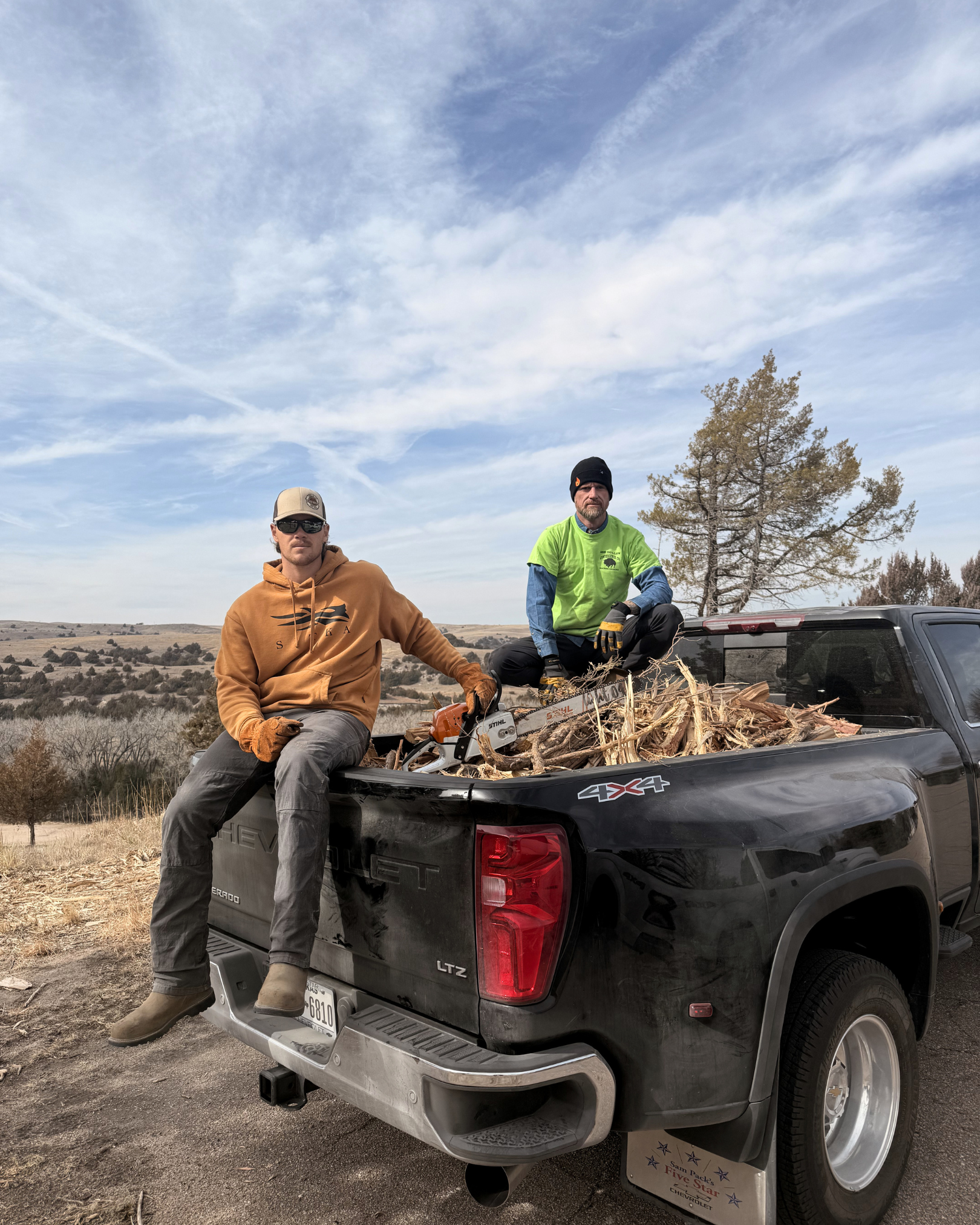
It’s about how the land functions - how water moves, how grass grows, and what the ground can support over time. We’re a small team that believes in doing things the right way. No shortcuts. No waste. Just honest work, done with intention.
The Hidden Cost of Cedar
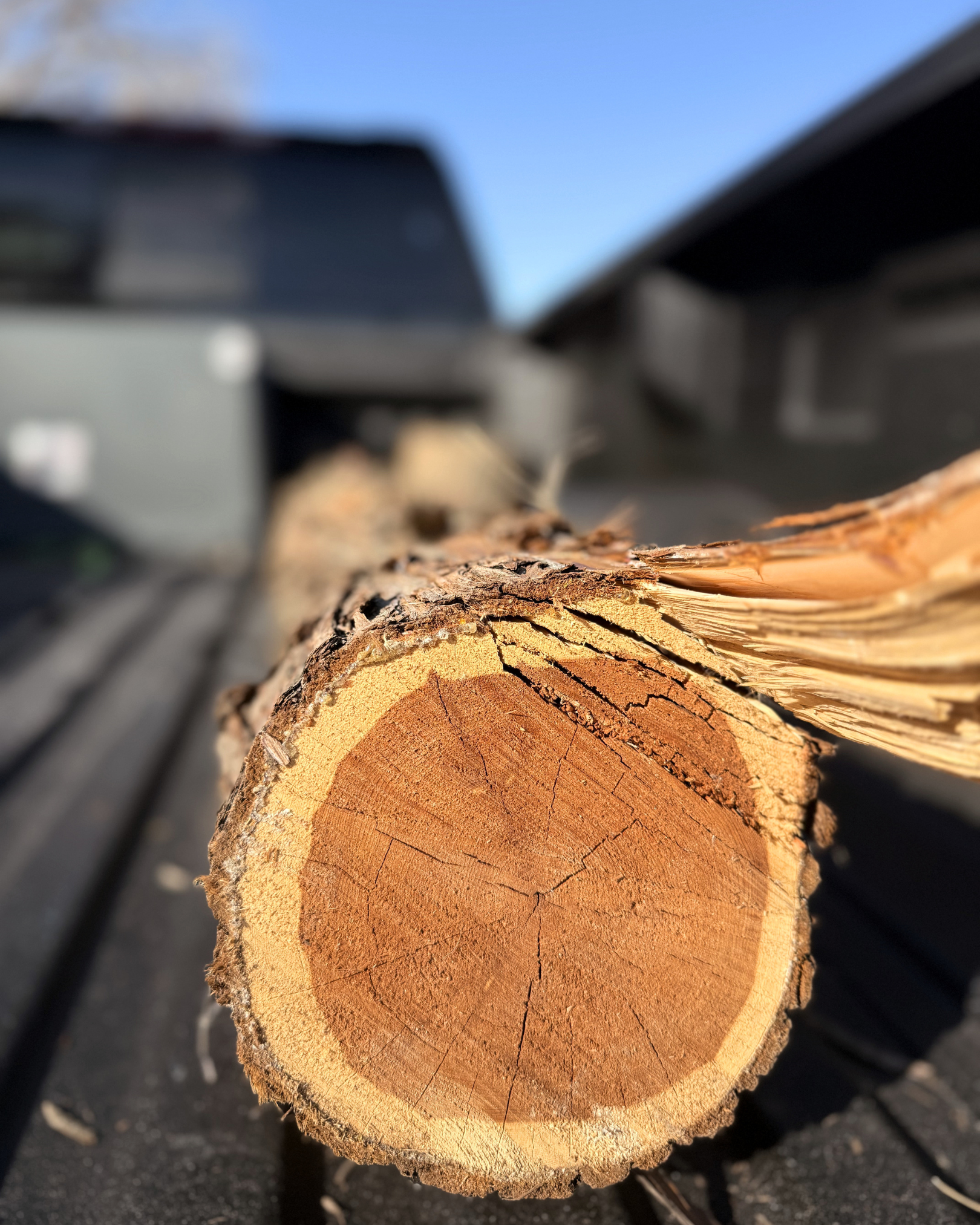
Unchecked cedar growth reduces available water, suppresses native grasses, and increases wildfire fuel across the Sandhills. One mature cedar tree can pull tens of thousands of gallons of water from the soil each year.
We focus on what the land needs to recover.
Most cedar removal focuses on clearing. But we see the bigger picture.
At Oshkosh Cedar Co., our work is built around improving how land performs over time. Every decision we make in the field is informed by water, soil conditions, and long-term productivity in the name of land stewardship.
We don’t approach cedar as something to simply remove, but as a factor affecting the entire system - how the ground holds moisture, how grass establishes, and how the land supports itself moving forward.
Based in Oshkosh and working across the Sandhills, we’re a locally owned operation built around honest work and a respect for the land. We work directly with ranchers and landowners, taking the time to understand each property and leaving it better than we found it — no shortcuts, no unfinished jobs.
What We Believe
Every cut we make has a purpose.
Eastern red cedar continues to spread across western Nebraska, reducing available water, suppressing native grasses, and increasing wildfire risk. Our work focuses on selective cedar thinning and land restoration practices that improve how your land performs - not just how it looks.
Stewardship Over Clearing
We remove only what the land can’t support and preserve what should remain.
Function Over Appearance
Our land-first approach means healthier soil, stronger grass, and better water retention.
Full Use of Every Tree
Every tree we remove is put to purpose. Nothing wasted, nothing left behind.
What We Do
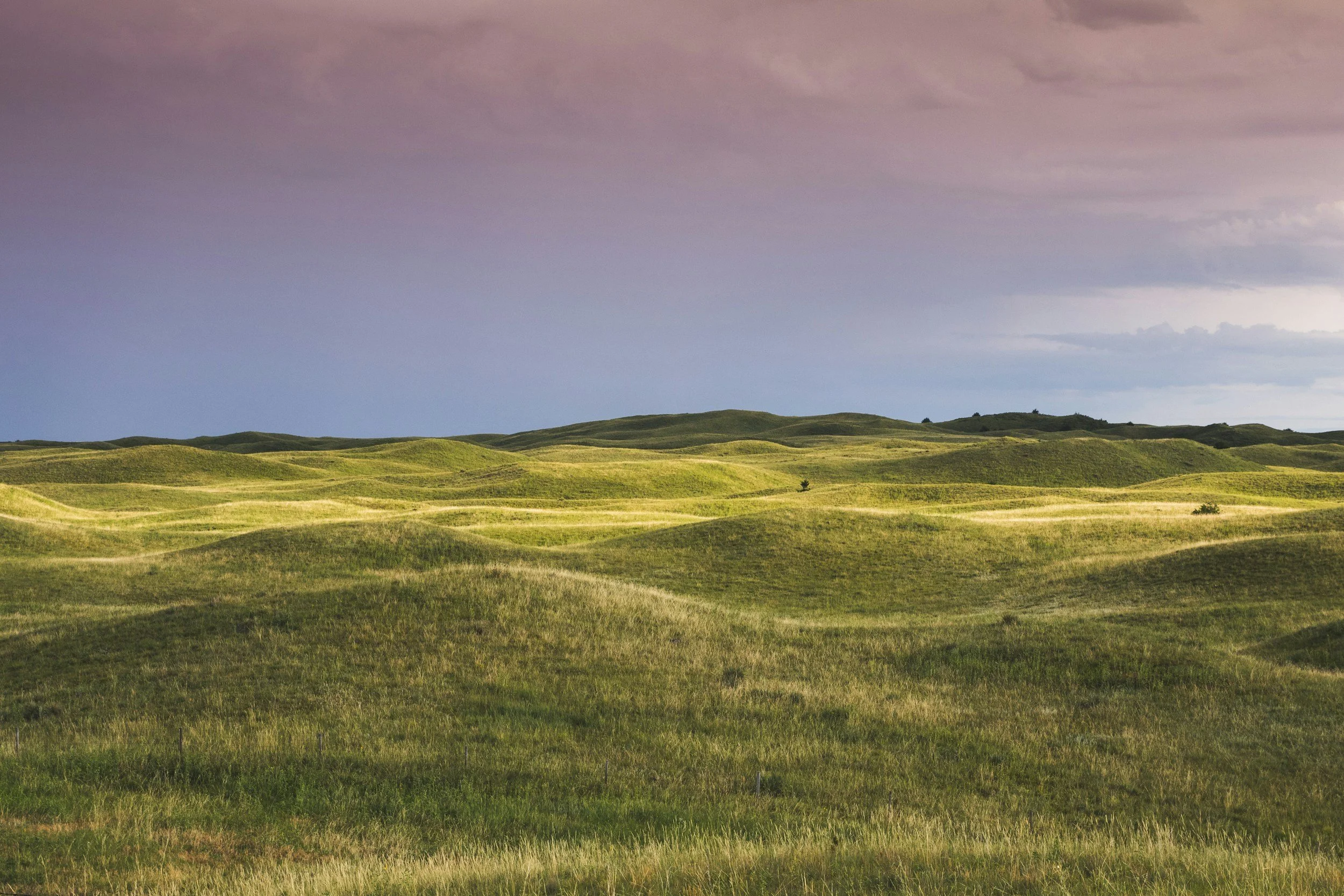
Serving Garden County & the Nebraska Sandhills
Eastern red cedar is no longer just part of the Western Nebraska landscape. It’s altering it, pulling water from the soil, suppressing grass, and shifting how the land supports livestock and wildlife. Our work focuses on restoring balance through selective cedar management and full-use land practices.
Selective Cedar Thinning
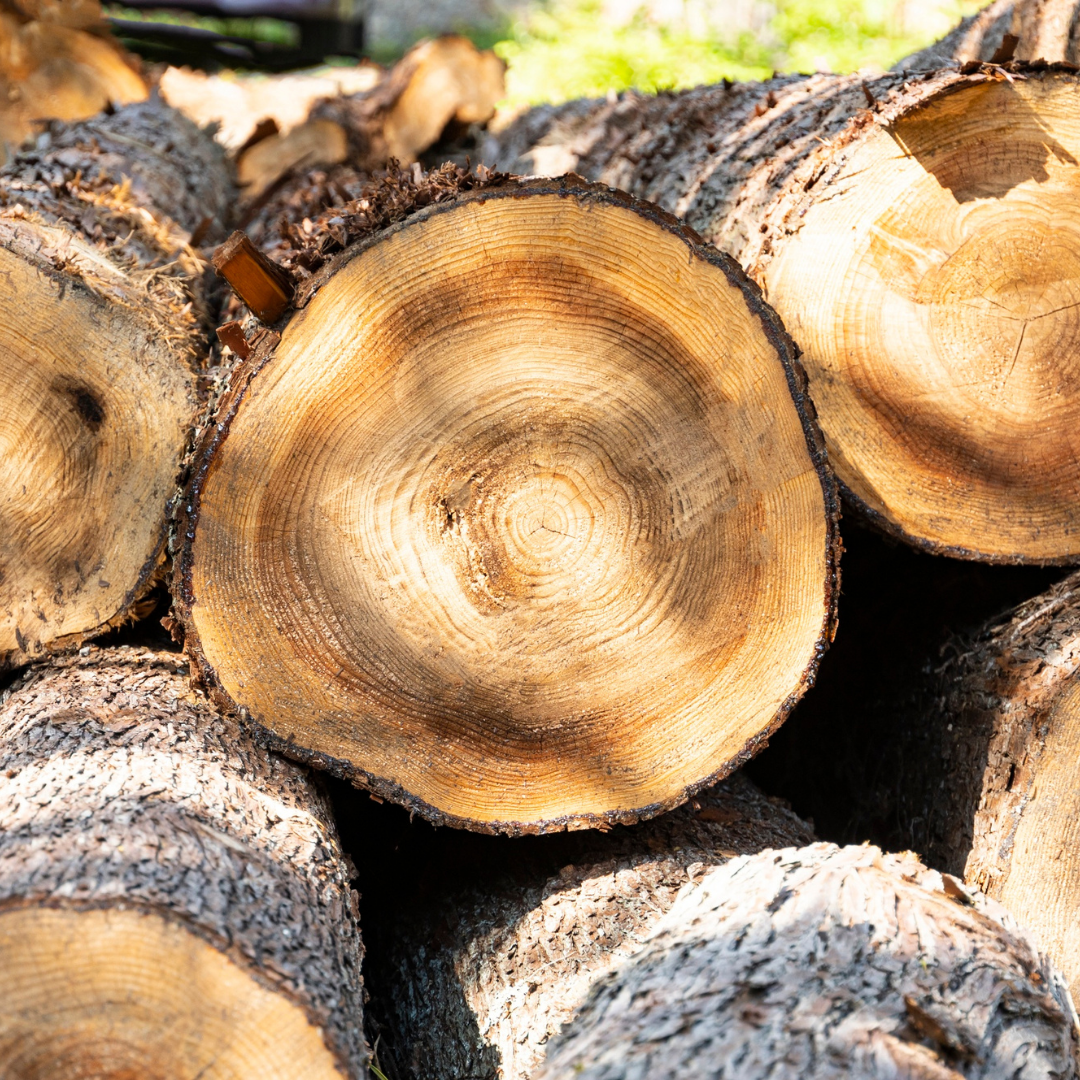
We remove overgrown and problem cedar to restore grass, improve water infiltration, and reduce wildfire risk without clear-cutting.
Charcoal & Biochar Products
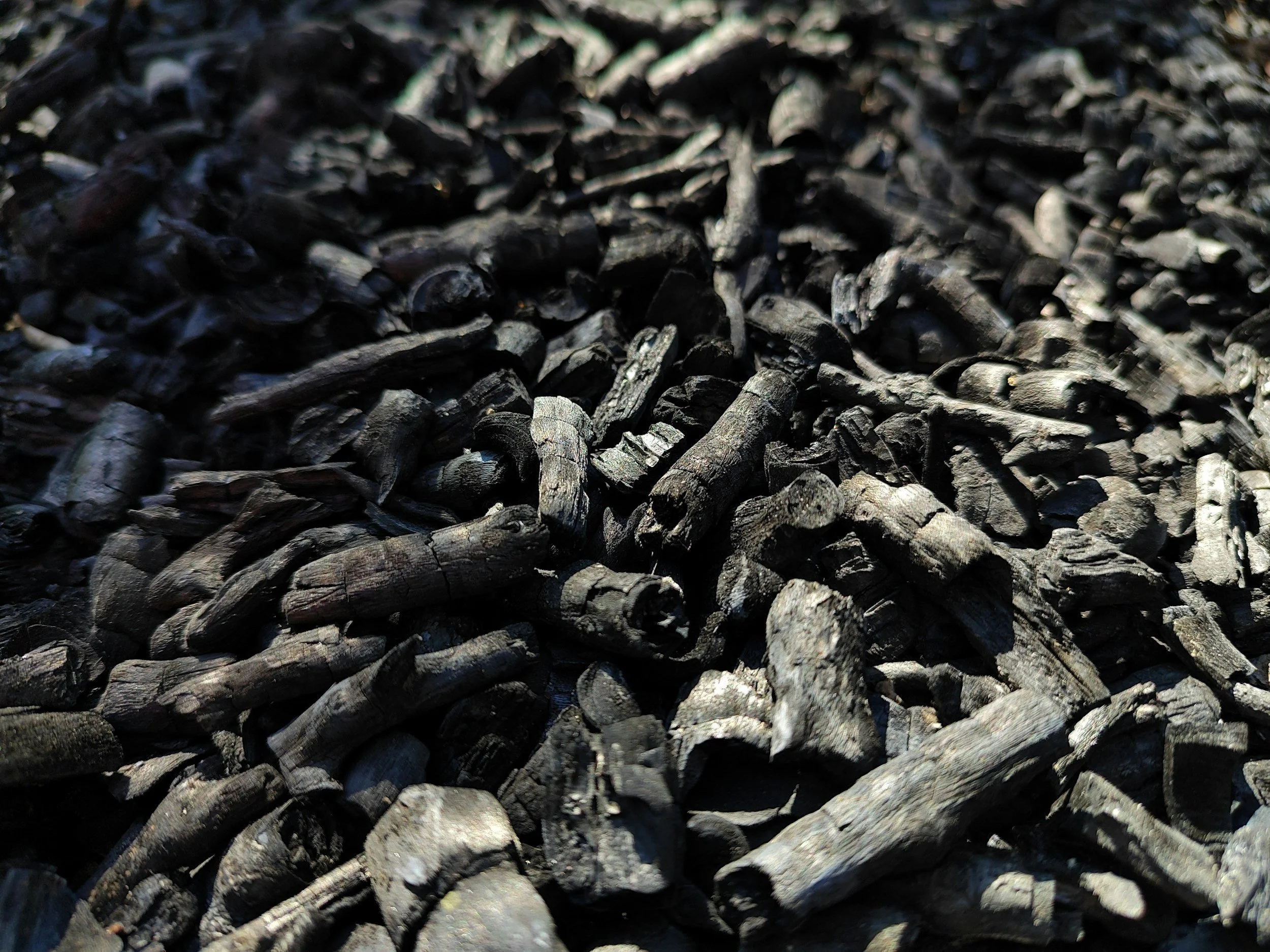
We turn knotty cedar into high-quality charcoal for clean heat and soil-building biochar for overall land health.
Regenerative Firewood
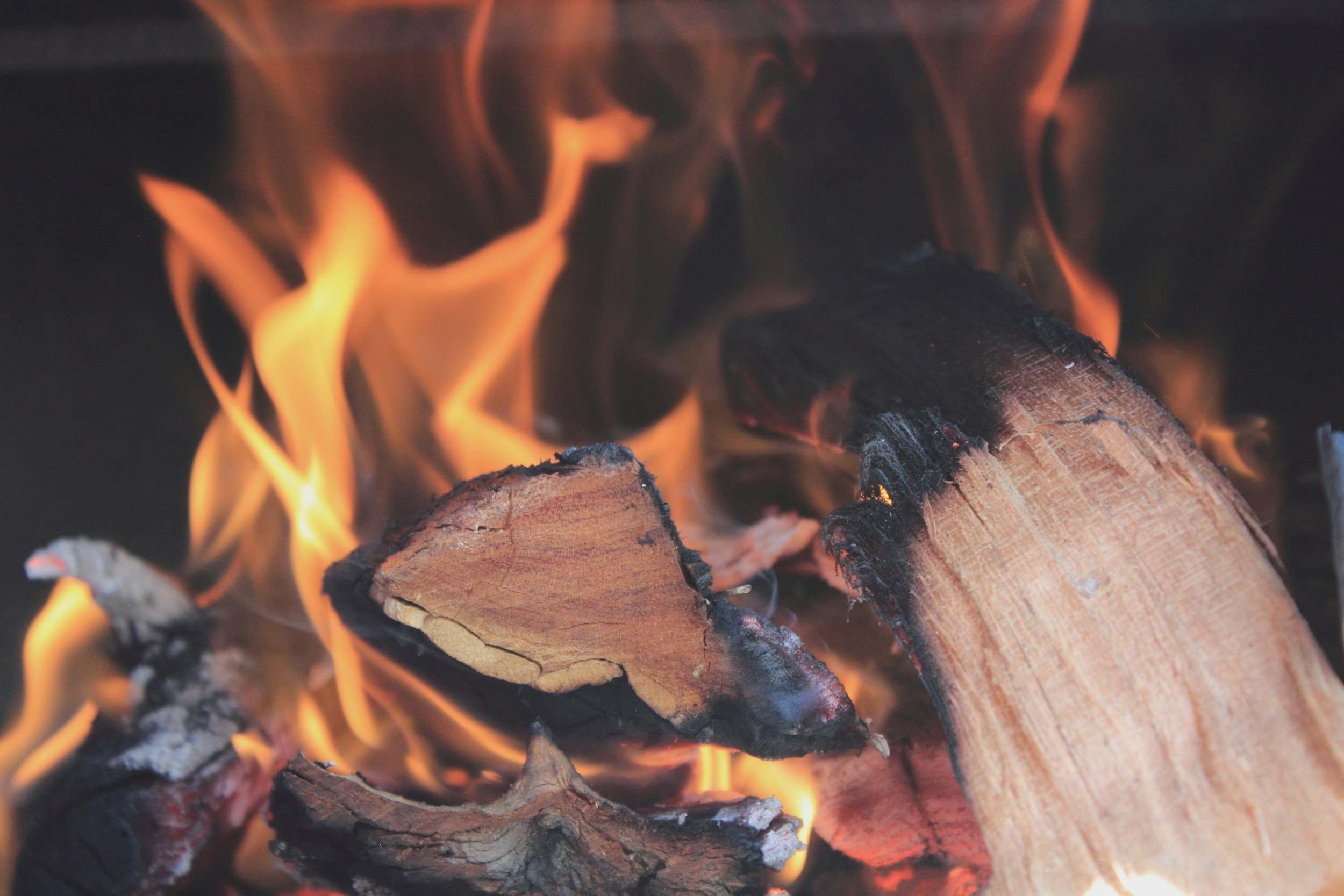
We process removed local cedar into clean burning, aromatic firewood bundles, creating fuel from land stewardship.
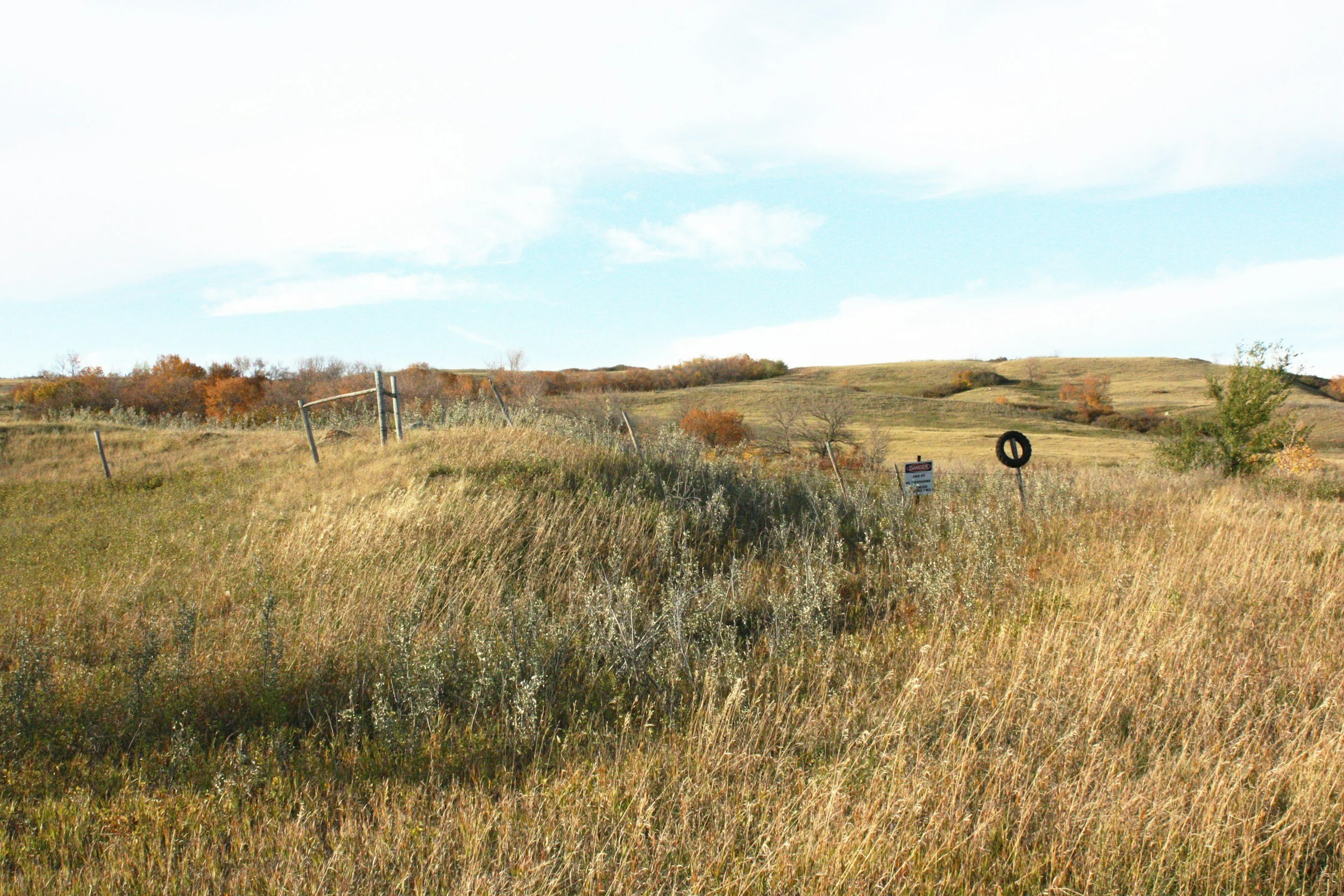
Soil & Pasture Amendment
We return necessary mulch, char, and ash to the land, improving soil, retaining water, and helping native grasses recover.
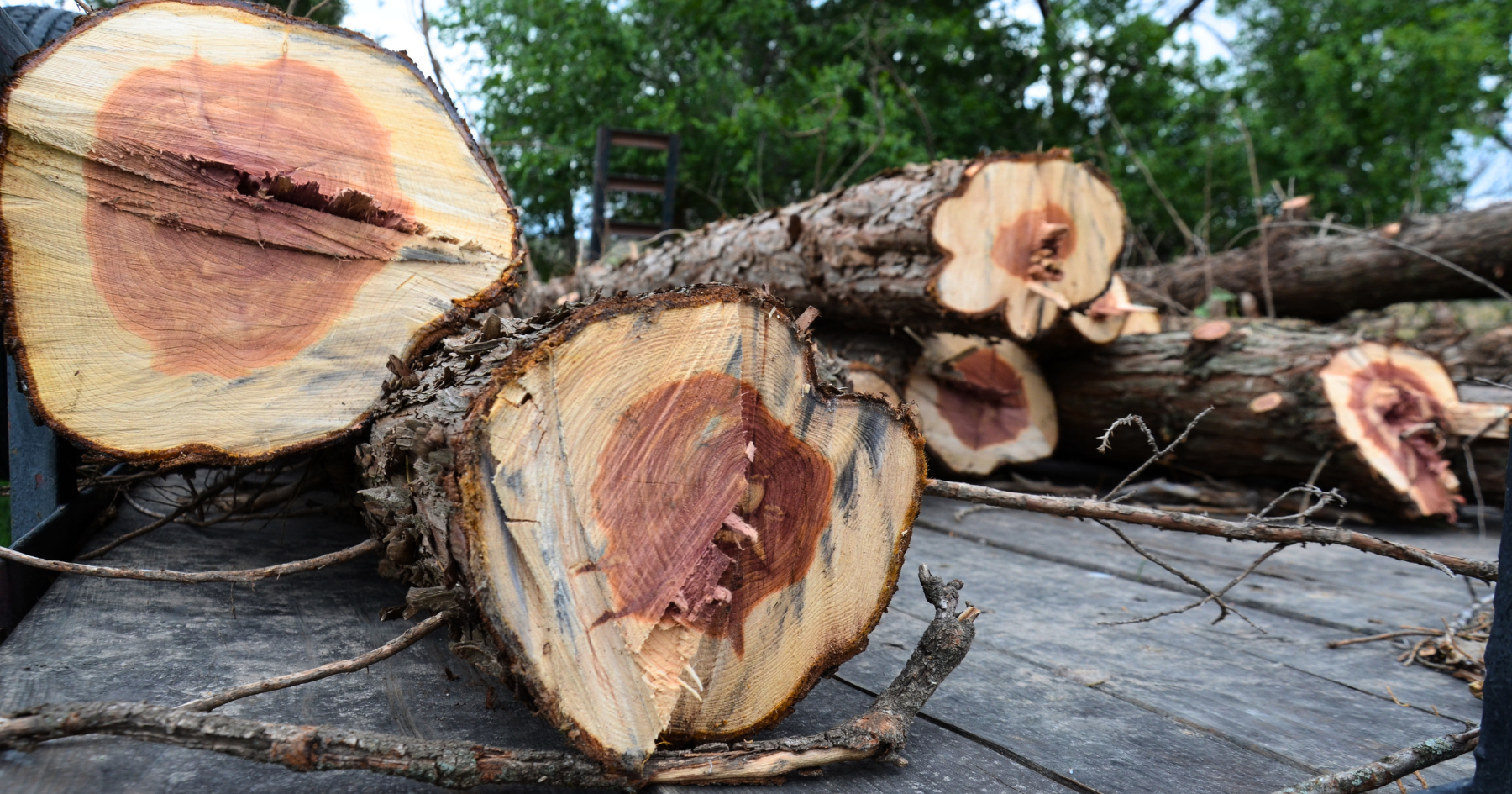
Durable Cedar Fence Posts
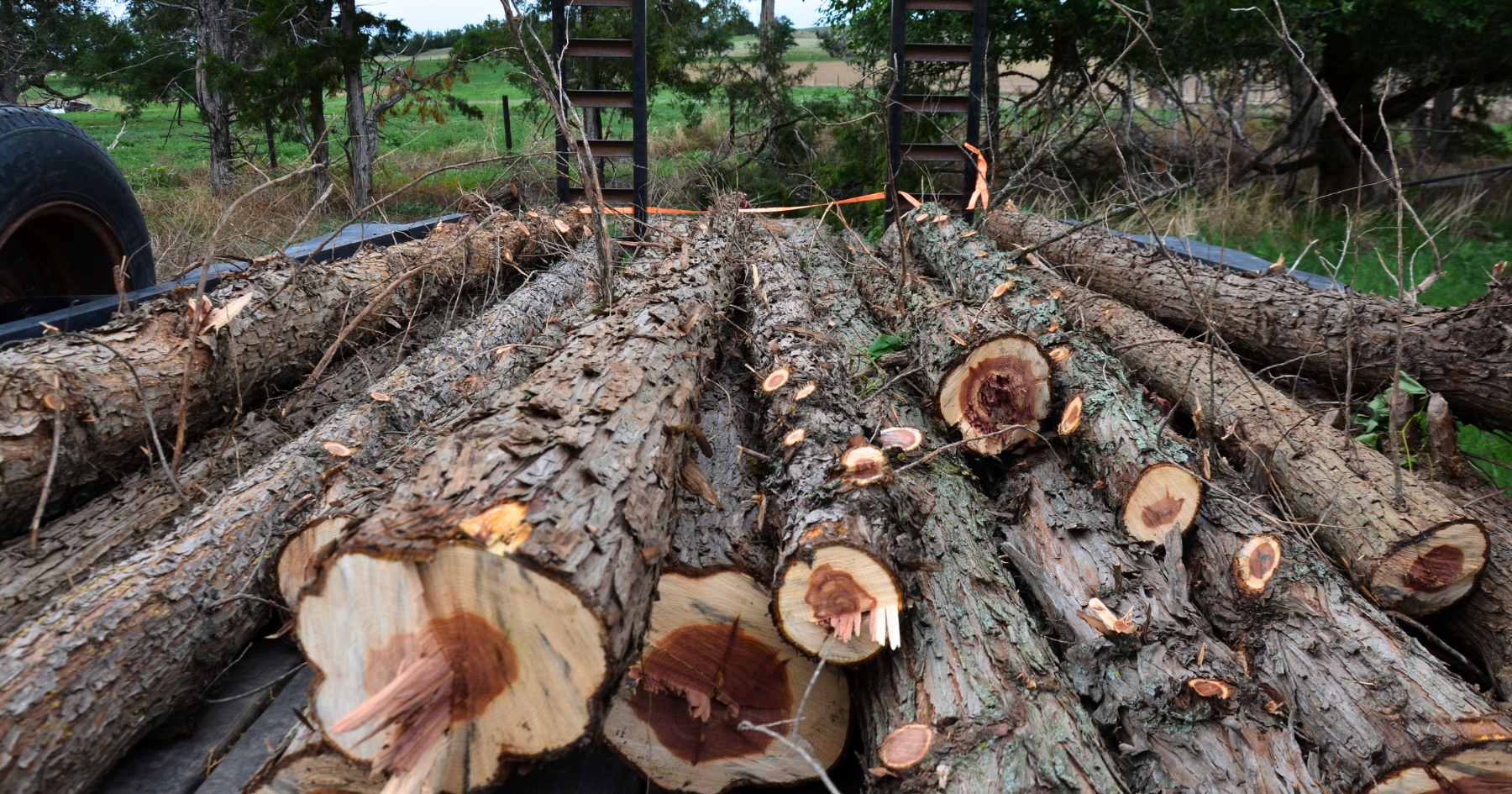
We debark and prepare straight cedar for strong, long-lasting fence posts and rough lumber, often used locally.
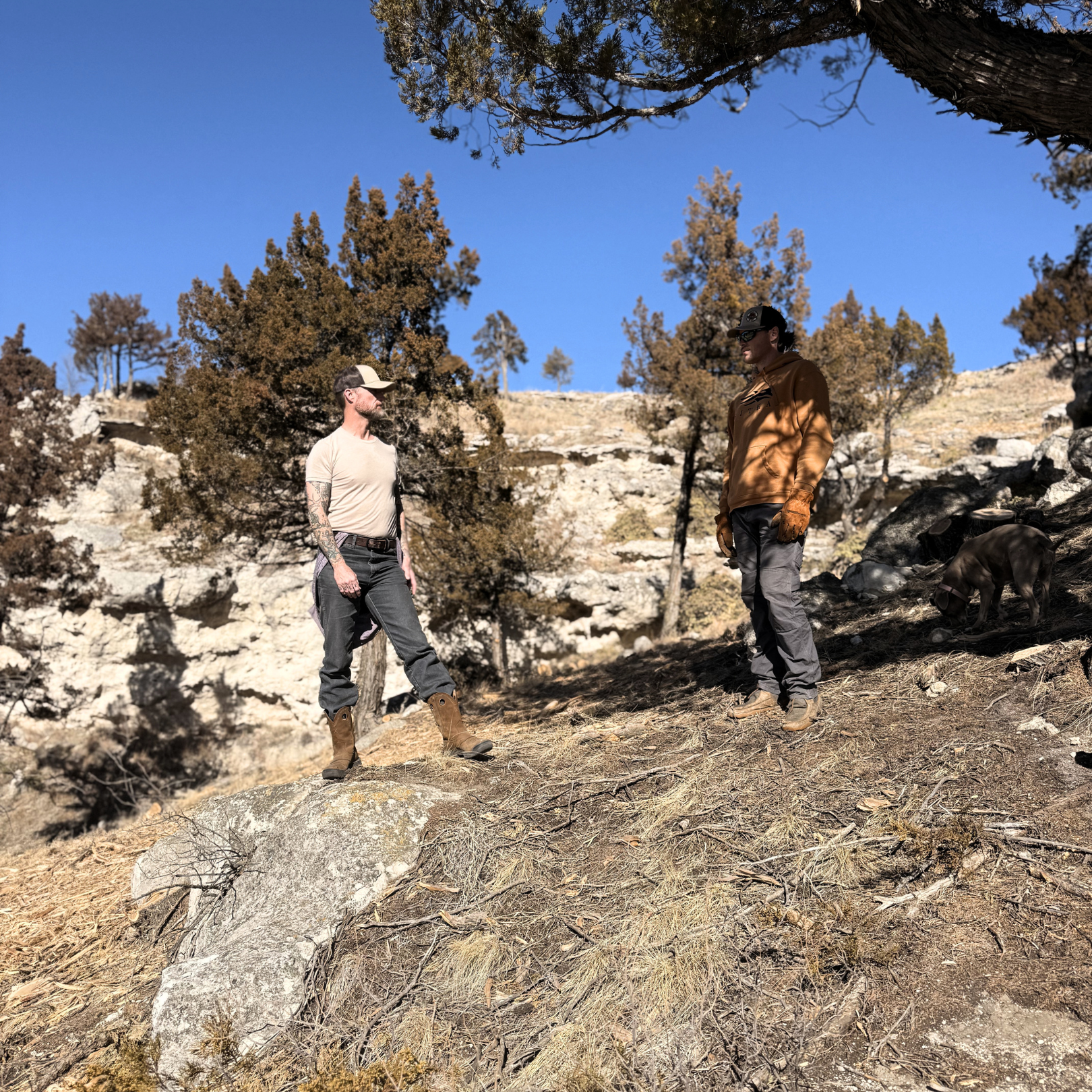
Guided Land Walks & Consultation
We walk the land with owners and managers to mark trees, explain thinning benefits, and determine next steps for the property.
Our Process
Walk The Land
Understand slope, water movement, and cedar spread

Only remove trees which disrupt land balance
Selective Removal
Material Utilization
Every cedar tree we cut is processed with purpose and intent
Land Recovery
Support soil and healthy native pasture regeneration