
About Oshkosh Cedar Co.
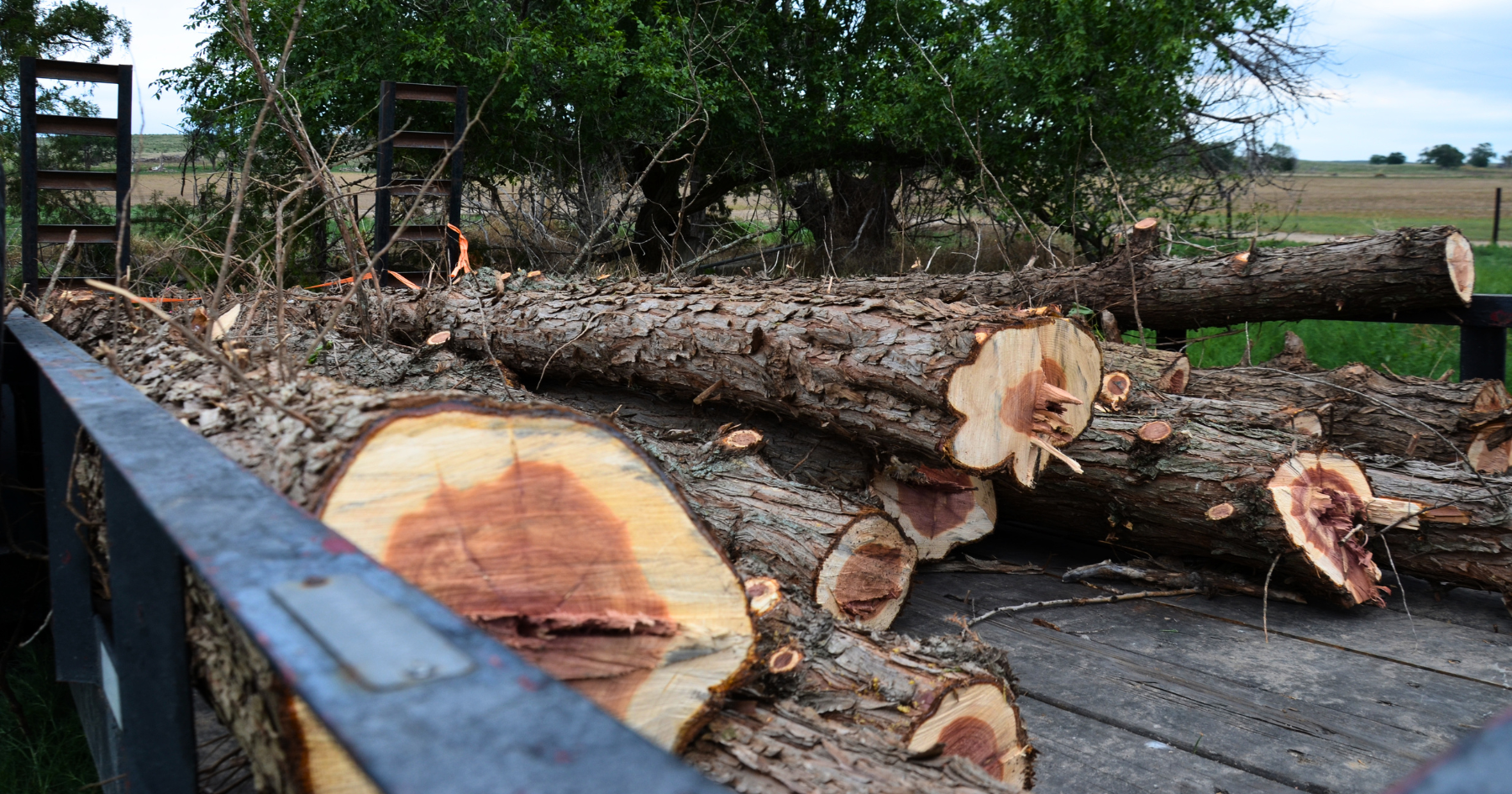
We started seeing the cedar problem in Western Nebraska for what it is. Areas that used to be open getting closed in. Ground that used to hold moisture drying out.
We’re not here to clear everything and walk away. We’re here to do it right — selective removal, fuel reduction, and real stewardship.
We focus on what actually needs to be done — removing the cedar that’s crowding everything else out, putting that material to use, and leaving the land in better shape than we found it.
This work isn’t just about trees. It’s about how the land functions, how water moves, how grass grows, and what the ground can support over time.
We’re a small team that believes in doing things the right way. No shortcuts. No waste. Just honest work, done with intention.
Where cedar has taken hold, we bring the land back.
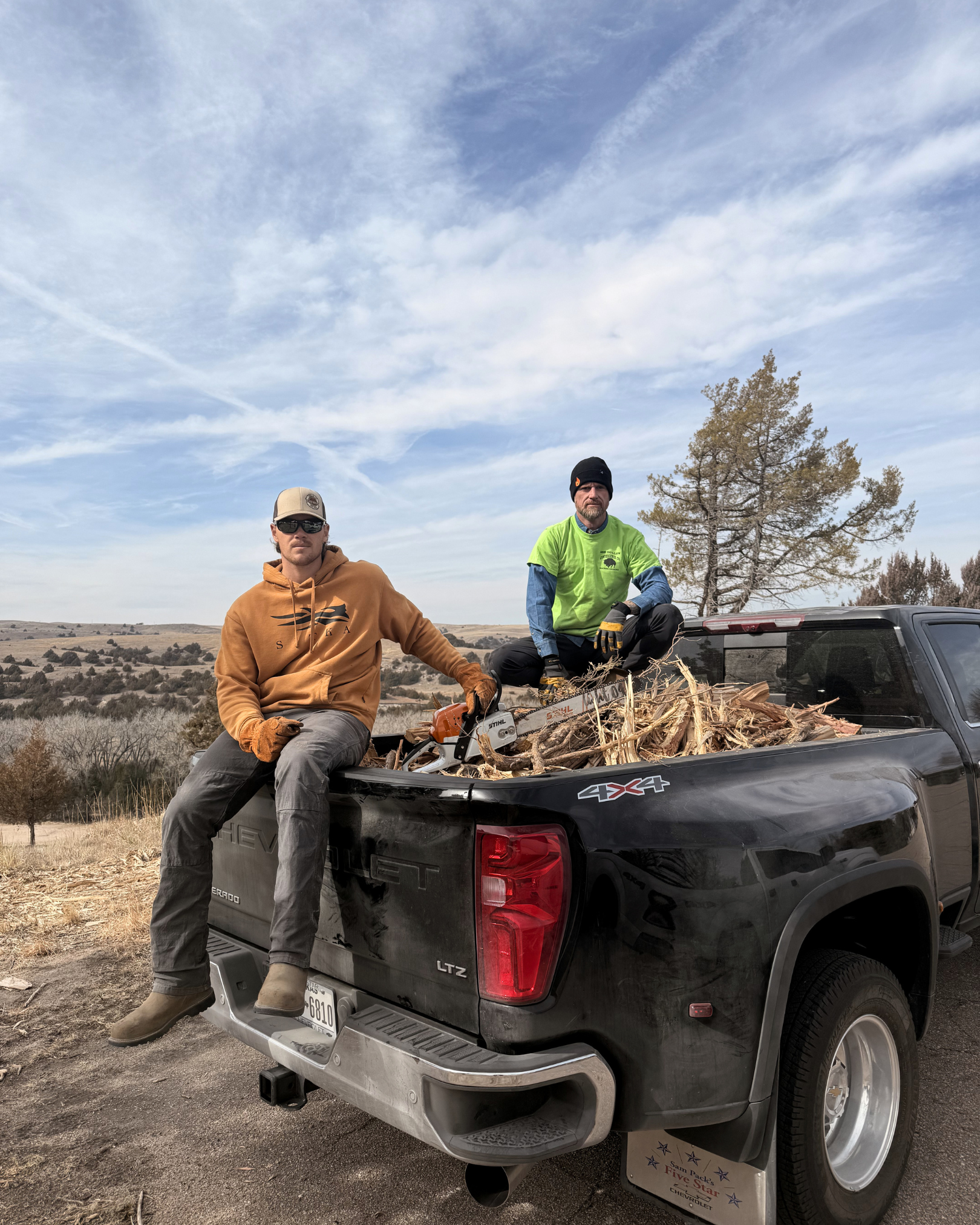
Wyatt Tucker & Nate Reeve, Owners
We’re not in the business of clearing land. We’re in the business of helping it function again.
Walk Your Property With Us
-
We take a selective approach. Not all cedar needs to be removed, and clearing too aggressively can do more harm than good. We focus on the trees that are actively impacting water, grass, and overall land function while preserving what should remain.
-
In many cases, the signs are gradual - thinning grass, drier soil, or areas that no longer hold moisture the way they used to. During a walk-through, we can point out where cedar is beginning to change how your land performs and what can be done about it.
-
Nothing goes to waste. Usable cedar is processed into firewood, fence posts, or lumber, while lower-grade material is converted into charcoal or biochar. Every part of the tree is put to practical use.
-
Yes. We take pride in leaving properties clean, organized, and ready to use. No debris piles, no unfinished work - just ground that’s in better condition than when we arrived.
-
It depends on the size of the property and the density of cedar. Smaller, targeted projects can be completed quickly, while larger properties may be phased over time. We’ll give you a clear expectation after walking the land with you.
-
Both. We work with anyone responsible for managing land - whether it’s a working ranch, leased ground, or privately owned property. Our focus is always on improving how that land performs long-term.
-
No. In fact, early intervention is often the most effective. Addressing cedar before it fully takes over helps preserve grass, protect water resources, and avoid more intensive work later on.
-
Yes. We start with a guided walk of your property to understand the land, identify problem areas, and talk through a practical plan. It’s the best way to ensure the work is done right from the beginning.
-
In the right areas, yes. Cedar removal can improve water availability, allow grass to recover, and reduce competition for resources. The goal isn’t just change - it’s measurable improvement in how the land functions.
-
We don’t approach cedar as something to simply remove. We look at how it’s affecting the entire system - water, soil, and vegetation - and make decisions based on that. It’s a more thoughtful process, and the results hold up over time.
Stewardship for land that matters.
Our mission is to restore balance where it’s been lost through selective cedar management, improved land function, and full utilization of every tree removed.
Common Questions
Eastern Red Cedar is no longer just part of the landscape — it’s altering it. Invasive cedar is pulling water from the soil, suppressing grass, and shifting how the land supports livestock and wildlife. Oshkosh Cedar Co. was built from time spent observing the land, not just working on it.
We approach each property with a working understanding of how water, soil, and vegetation interact, because removing cedar without that context often does more harm than good.
Our Process
Walk The Land
Understand slope, water movement, and cedar spread

Only remove trees which disrupt land balance
Selective Removal
Material Utilization
Every cedar tree we cut is processed with purpose and intent
Land Recovery
Support soil and healthy native pasture regeneration